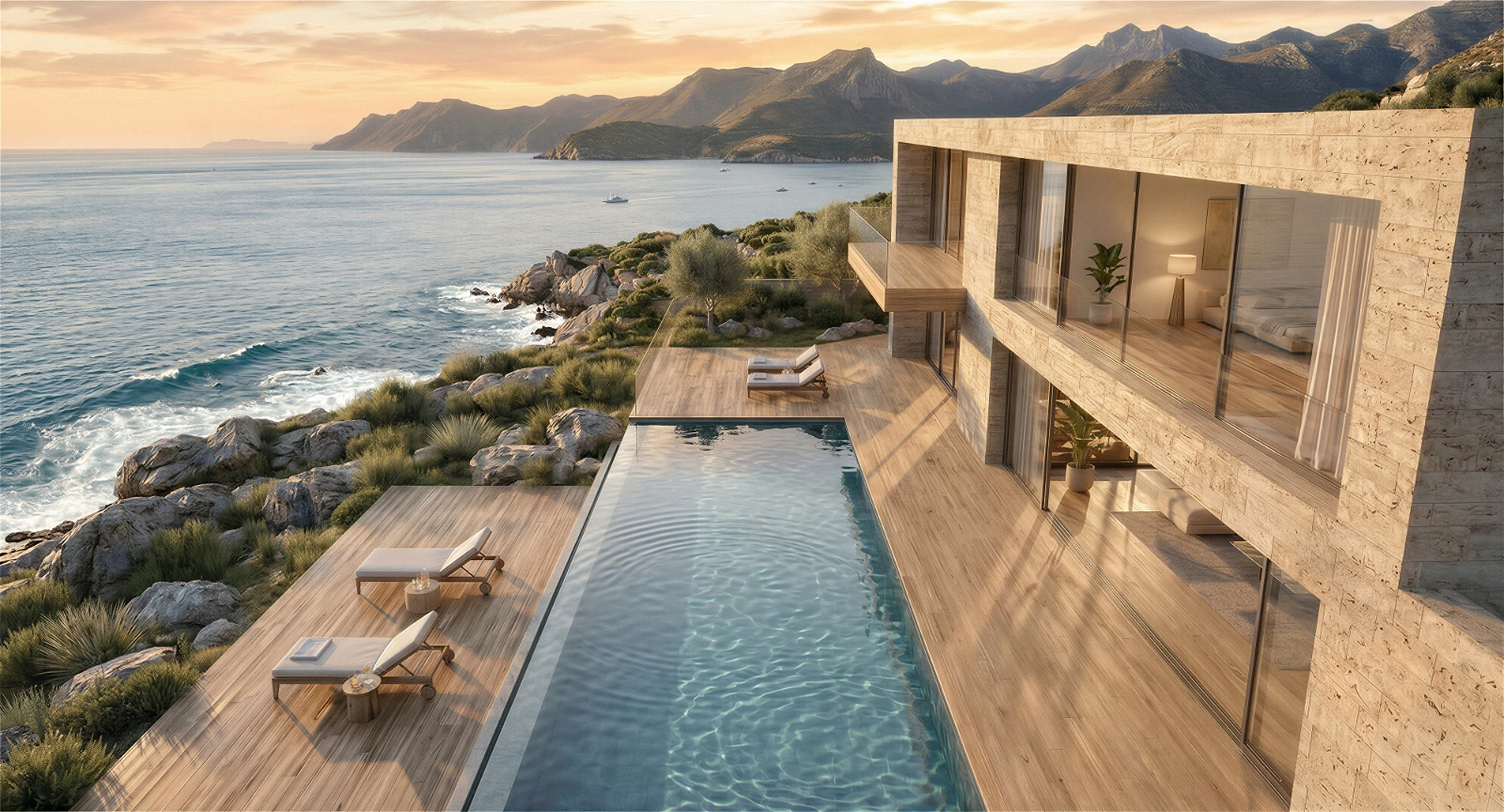
How Photorealistic 3D Rendering Secures High-Stakes Investor Approval
Why do high-end architectural concepts still get rejected by investors during early pitch meetings? In most cases, the issue is not the architectural vision. It is the inability to communicate scale, material feel, and natural lighting through flat 2D drawings.
When presenting multi-million dollar developments to non-technical stakeholders, relying on technical blueprints or basic CAD drawings creates immediate friction. Integrating high-end photorealistic 3D rendering converts abstract architectural intent into tangible, emotionally compelling visual assets that build instant investor confidence.
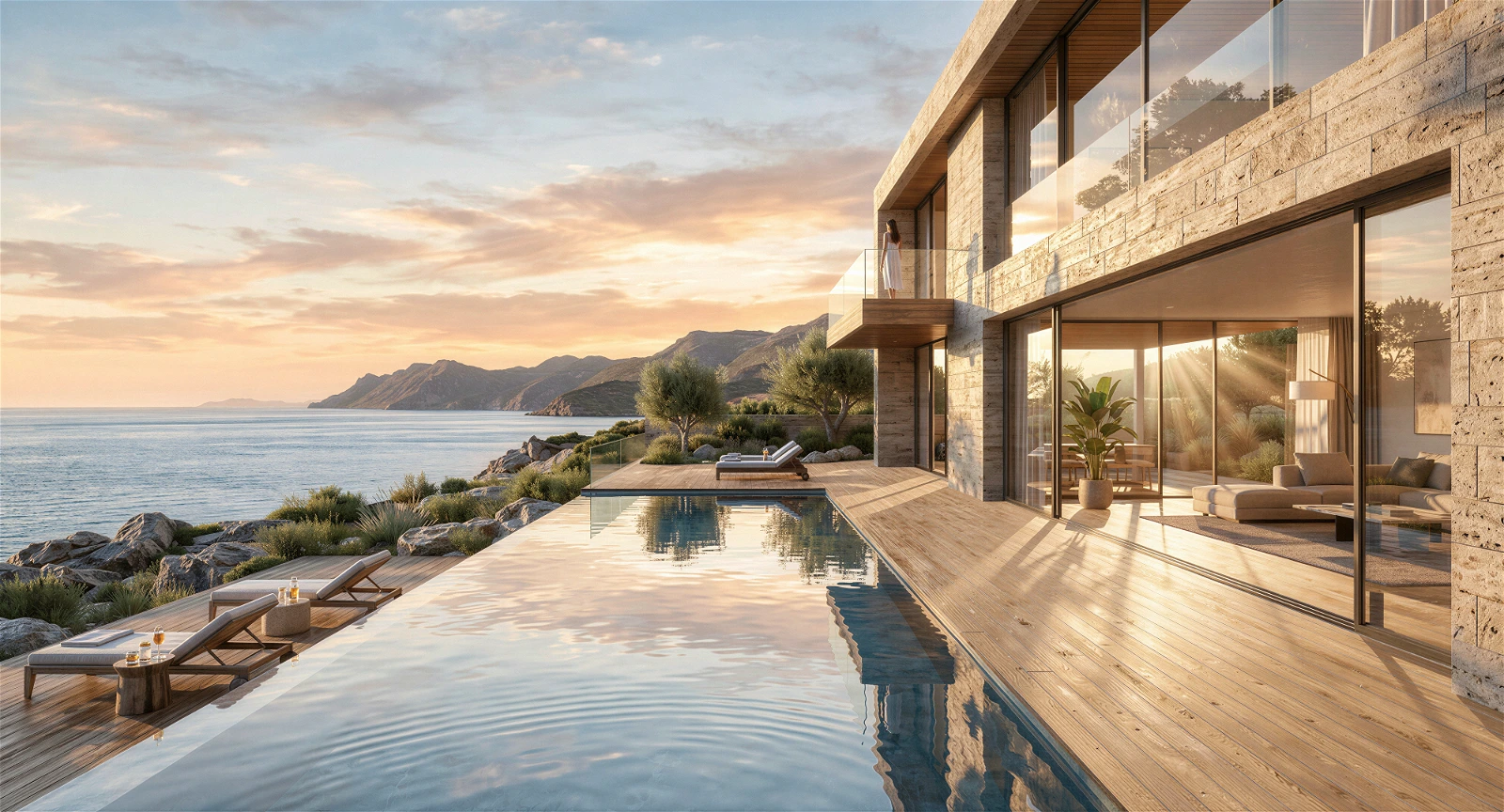
Why Exceptional Architectural Designs Fail in Early Pitches
Securing capital for commercial, luxury residential, or hospitality developments requires total visual clarity. Investors evaluate projects through a strict lens of risk mitigation and commercial viability. When pitch decks rely on line-art elevations or technical schematics, decision-makers struggle to visualize the actual value of the space.
This communication breakdown typically stems from three core challenges:
- The Dimensional Gap: Flat 2D drawings require mental translation, forcing investors to guess spatial volume, ceiling heights, and sightlines.
- Material Ambiguity: Specifying premium natural stone, custom millwork, or low-E glass on a specification sheet fails to convey real-world tactile quality.
- Lighting Dynamics: Technical drawings cannot portray how natural daylight shifts across interior rooms or how artificial fixtures create evening ambience.
How Photorealistic 3D Rendering Bridges the Vision Gap
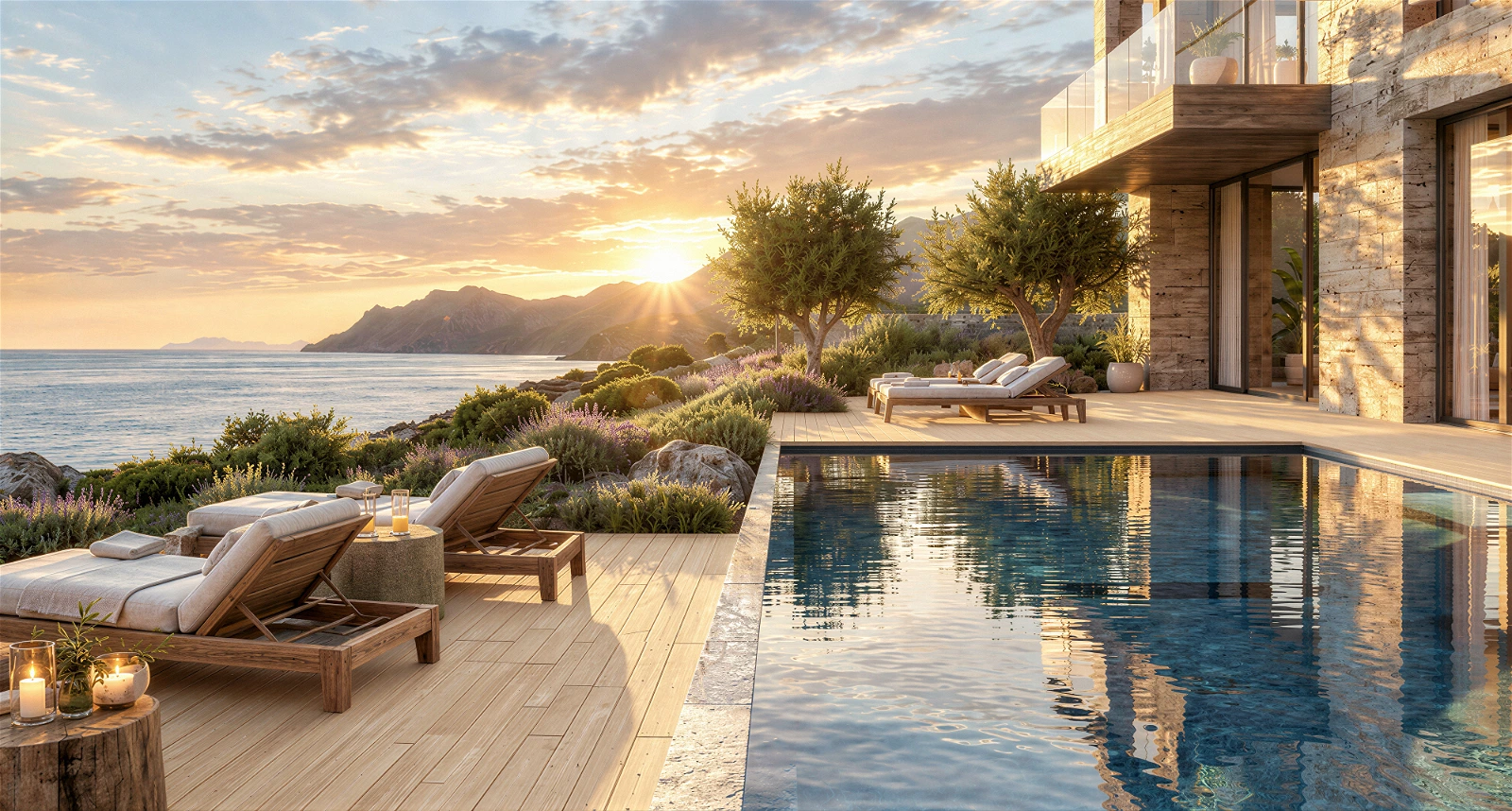
Deploying photorealistic 3D rendering removes ambiguity from board reviews and pitch meetings. By simulating spaces with physically based lighting and calibrated material properties, design teams present projects exactly as they will exist upon final handover.
1. Replicating Micro-Textures and Real-World Finishes
Modern rendering engines allow artists to simulate precise physical surface properties, including subsurface scattering for marble, micro-roughness for brushed metals, and realistic reflections on curtainwall glass. Demonstrating exact material finishes reassures investors that the build quality aligns with the proposed valuation.
2. Physically Based Lighting and Natural Atmosphere
Sun trajectories, atmospheric depth, and interior illumination dictate emotional response. Photorealistic rendering evaluates accurate sun angles throughout the day, showing how daylight penetrates living spaces or how twilight lighting highlights key architectural facades.
3. Accelerated Stakeholder Buy-In and Faster Funding
Clear visuals align all decision-makers faster. When investors, municipal board members, and commercial leasing agents view identical, hyper-realistic representations, revision loops shrink dramatically and approval times accelerate.
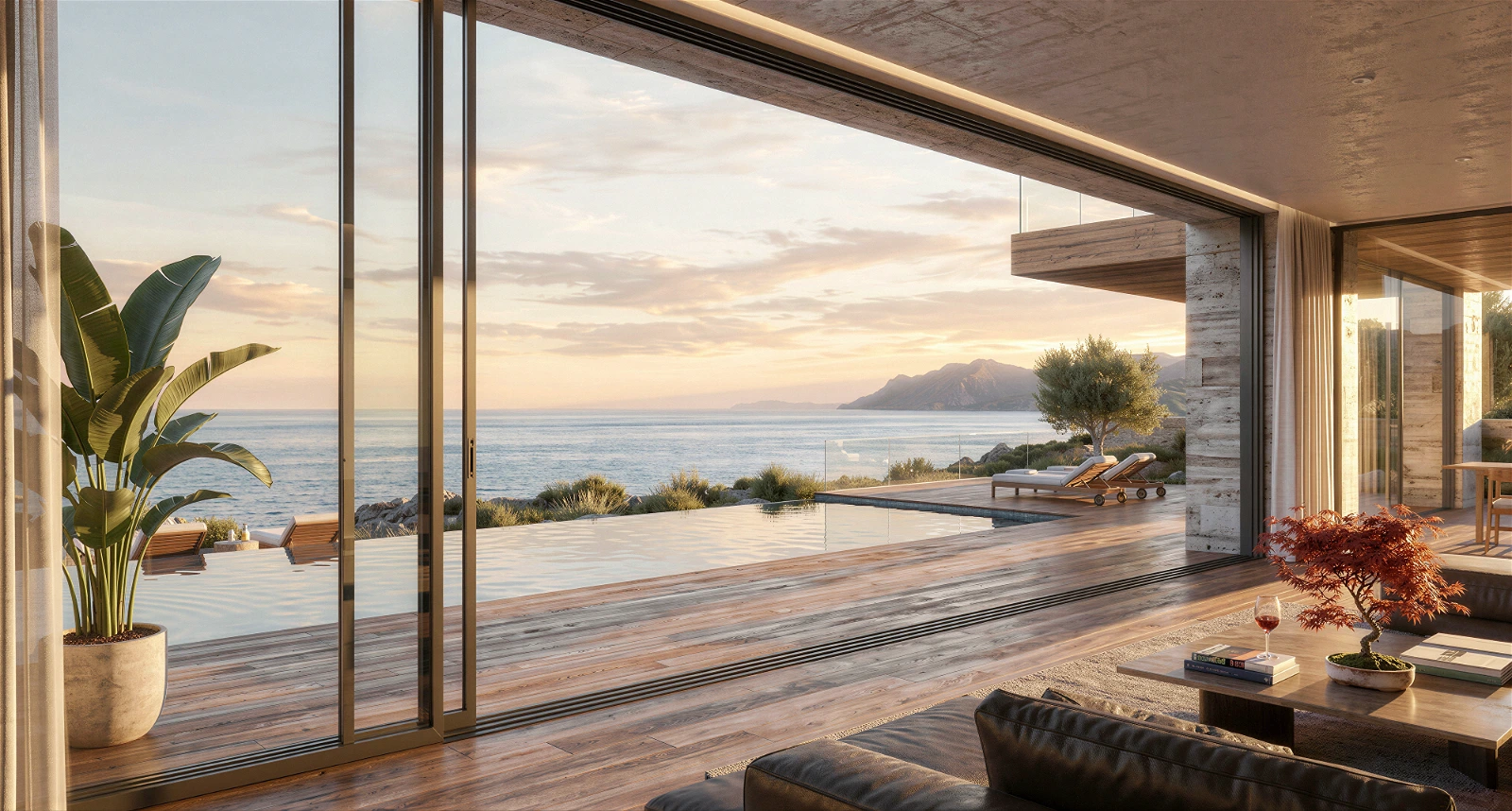
Integrating Photorealistic Visuals into Your Investor Pitch
To maximize conversion during capital-raising campaigns, combine photorealistic hero stills, interior cutaways, and interactive walkthroughs into a unified presentation package.
Presenting a polished visual narrative demonstrates operational maturity and respect for investor time. Standardizing high-end visualization across your pitch decks ensures your architectural concept gets the approval and funding it deserves.
Ready to elevate your architectural presentations and secure faster project buy-in? Explore our specialized rendering solutions at Our-Inspiration Studio.