How Virtual Reality Architectural Visualization Transforms Unbuilt Property Sales
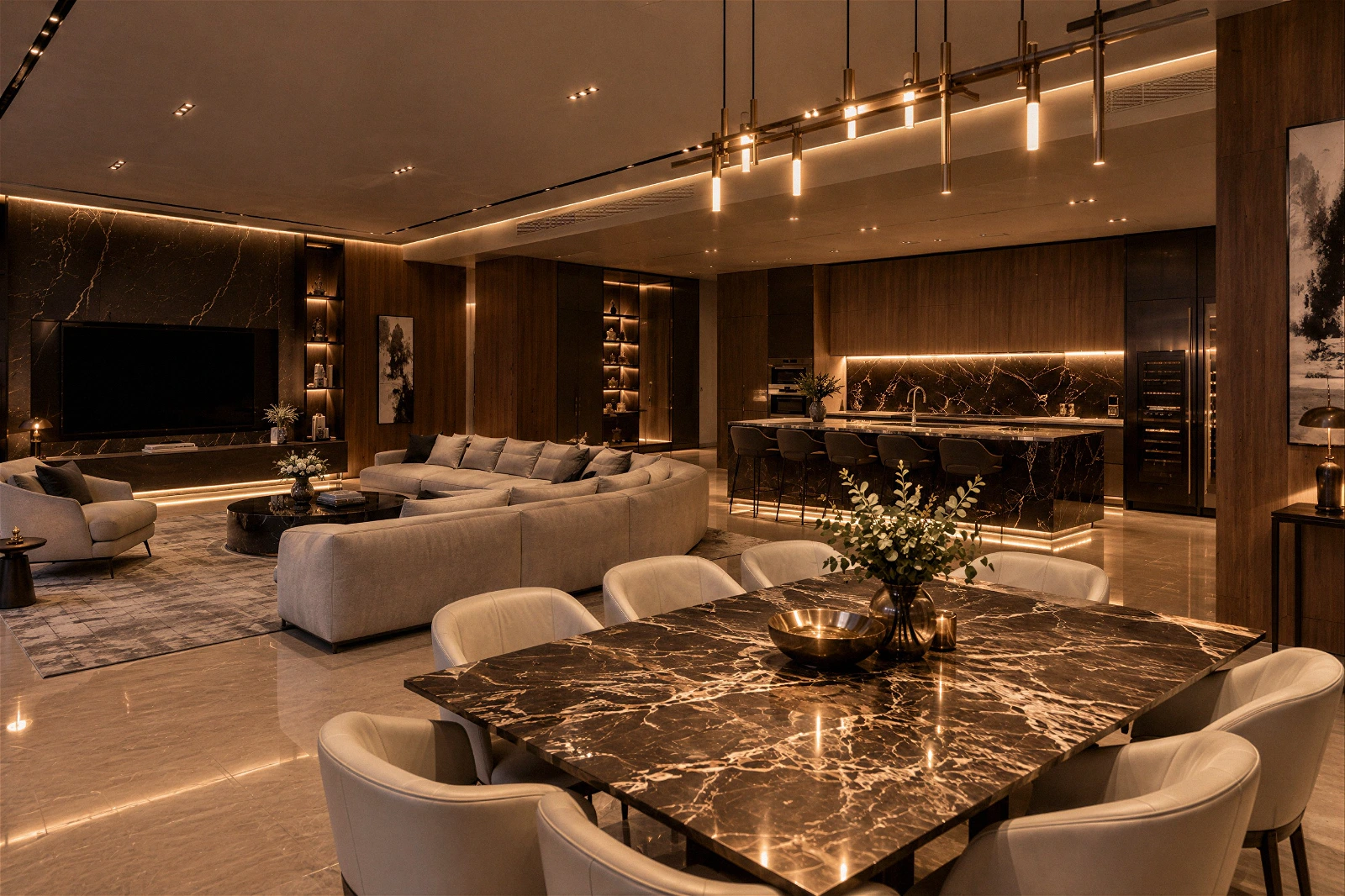
Why are leading real estate developers moving beyond traditional static render passes when presenting unbuilt luxury developments? While high-resolution still images capture visual aesthetics effectively, they cannot fully communicate physical scale, true ceiling heights, or emotional spatial flow.
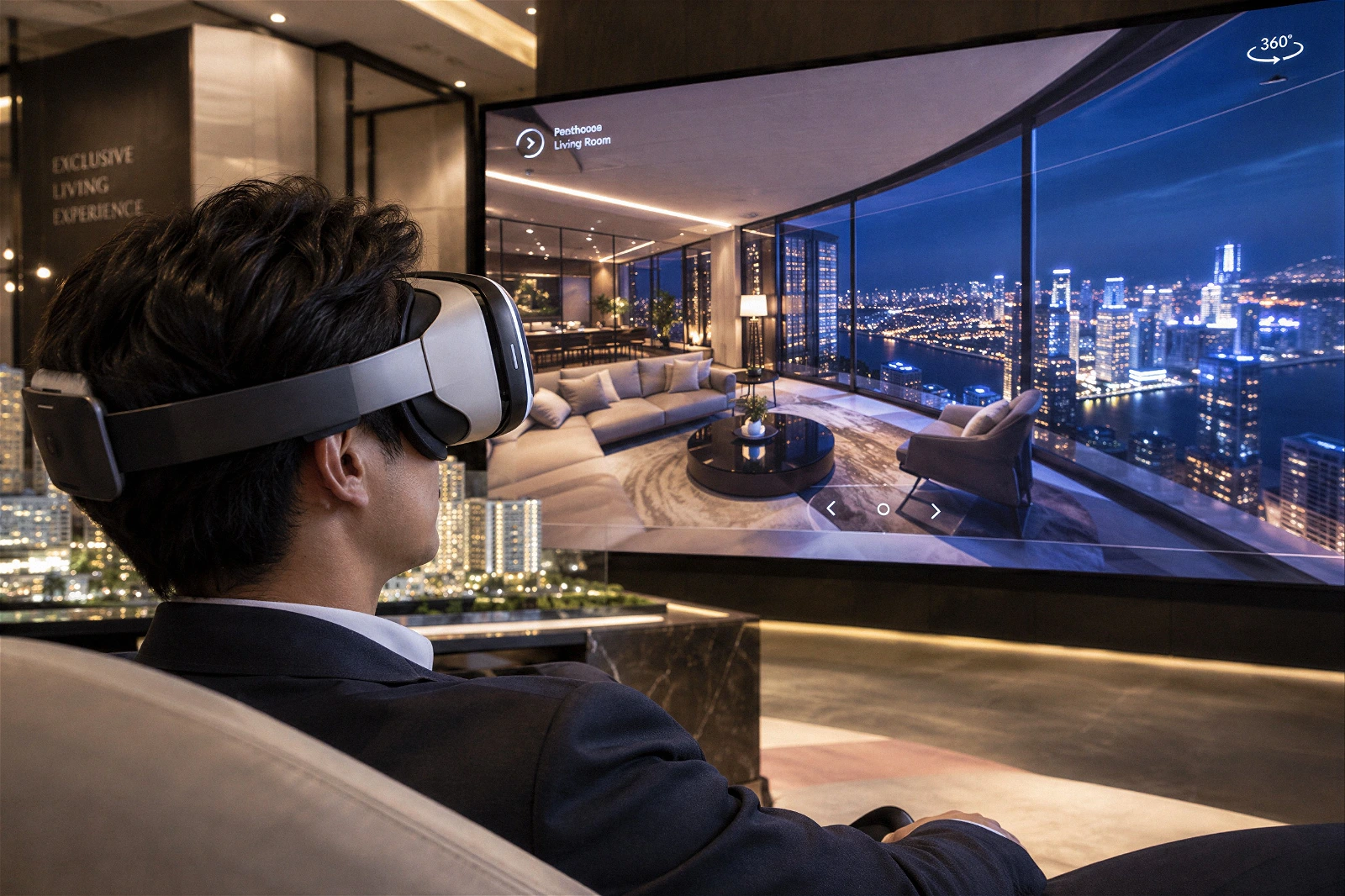
Integrating VR architectural visualization allows real estate developers, architects, and buyers to step directly inside 3D models long before groundbreaking occurs. This shift from passive image viewing to active spatial immersion is redefining how commercial and residential properties are pre-sold.
The Evolution Beyond Static Architectural Rendering
In traditional property marketing, buyers rely on two-dimensional floor plans and fixed camera angles. This reliance creates a cognitive gap where clients must mentally assemble separate images to understand how rooms connect.
Deploying interactive VR architectural visualization closes this cognitive gap. By offering a fully navigable 3D environment, developers allow stakeholders to walk through grand foyers, step out onto penthouse balconies, and experience real-world spatial proportions firsthand.

Key Advantages of Virtual Reality in Architectural Presentations
Adopting virtual reality technology into your pre-development workflow delivers several measurable commercial benefits for real estate marketing campaigns.
1. True 1:1 Scale Spatial Exploration
Standard renders can sometimes distort perceived room dimensions depending on camera lens settings. In a VR environment, users experience accurate 1:1 scale proportions. They can evaluate sightlines, window placements, and spatial clearances exactly as they will exist upon final construction handover.
2. Real-Time Design Customization and Material Tweaks
During live client review sessions, decision-makers often request alternative material palettes or lighting arrangements. Real-time VR workflows enable design teams to swap marble finishes, adjust timber floor tones, or shift lighting setups instantly during the presentation meeting.
3. Faster Stakeholder Buy-In and Risk Reduction
Eliminating spatial hesitation builds buyer confidence faster. When institutional investors and prospective homeowners can explore every corner of a proposed development interactively, revision cycles shrink significantly, accelerating contract sign-offs and funding approvals.

Integrating VR Visuals into Your Real Estate Marketing Strategy
Combining photorealistic hero stills with interactive virtual reality tours provides a complete presentation package. Presenting a fully immersive digital environment demonstrates operational sophistication and respect for investor decision-making.
Incorporating VR architectural visualization early in your project planning secures a distinct competitive edge in the luxury real estate market, transforming unbuilt concepts into high-converting commercial assets.
Looking to elevate your property presentations and create immersive virtual experiences for your clients? Explore our visualization solutions at Our-Inspiration Studio.