
How Value-Based Pricing in 3D Rendering Maximizes Studio Profitability
Why do top architectural visualization studios charge significantly higher rates than competitors for similar render outputs? The difference rarely comes down to software capability or rendering engine speed. Instead, it stems from abandoning hourly billing models in favor of strategic value-based pricing in 3D rendering.
When architectural visualization teams price their services based on the commercial value delivered to real estate developers rather than hours logged, they transform their business model. Shifting to value-based pricing aligns your studio fees directly with the multi-million dollar investments and sales returns your visual assets help generate.

The Flaws of Traditional Hourly and Per-Render Pricing
Many ArchViz professionals start by charging fixed hourly rates or flat per-image fees. While straightforward, these traditional pricing structures create systemic operational bottlenecks for growing studios:
- Penalizing Workflow Efficiency: As artists become faster through automation and refined skill, hourly pricing reduces total project revenue for doing better work in less time.
- Commoditizing Creative Output: Flat per-render fees treat high-stakes investor pitch assets the same as basic draft visual updates, ignoring the financial scope of the project.
- Focusing on Input Instead of ROI: Clients focus on negotiating lower hourly rates rather than evaluating how marketing visuals accelerate project presales.
Core Pillars of Value-Based Pricing in 3D Rendering
Transitioning to a value-centered commercial strategy requires evaluating project risk, return on investment, and strategic positioning.
1. Pricing the Commercial Stakes and Financial Impact
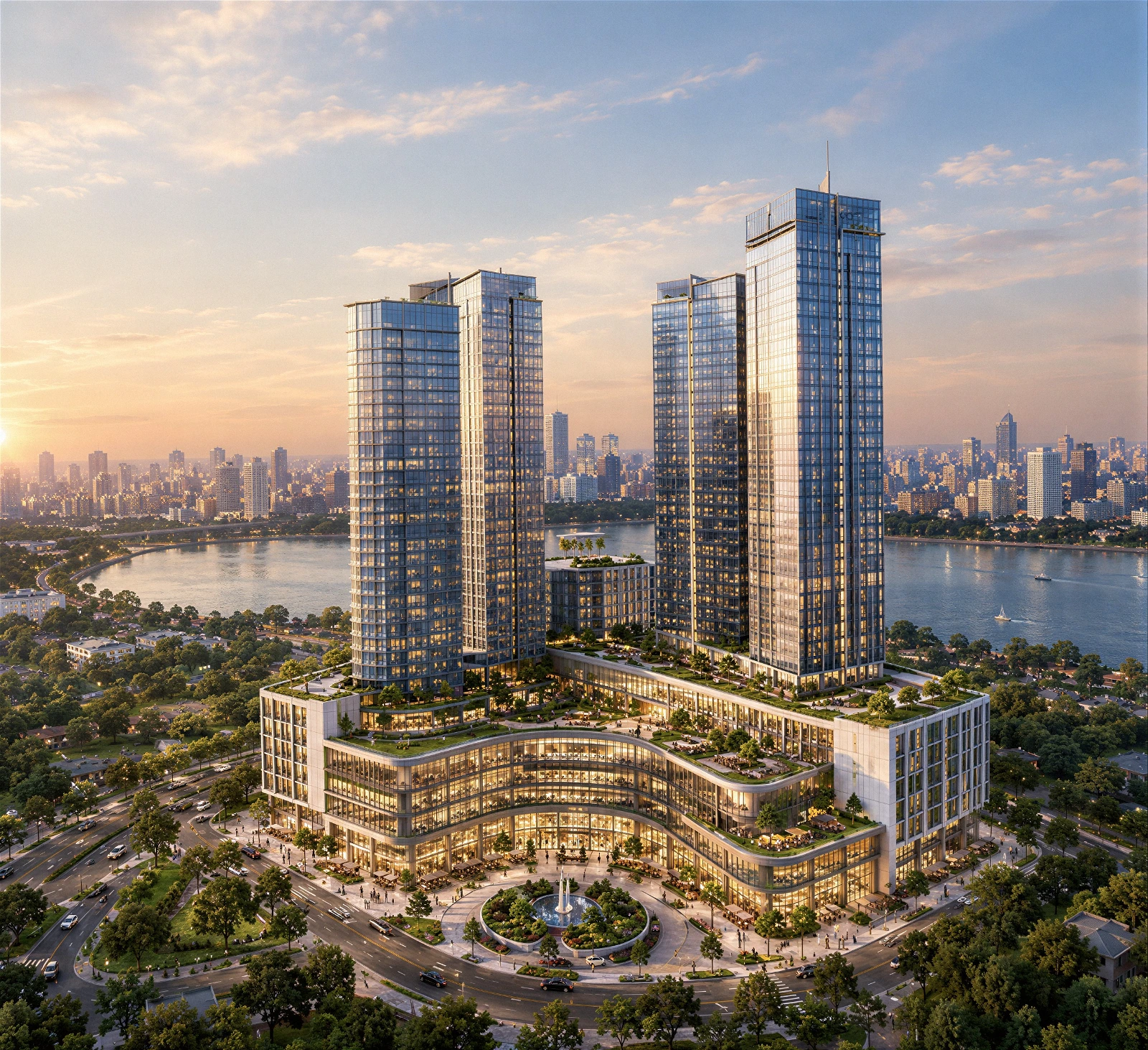
A photorealistic hero render created for a $50 million luxury condominium presale carries immense commercial responsibility. High-quality visuals reduce investor hesitation and accelerate presale deposits. Pricing reflects the risk reduction and financial return generated for the developer.
2. Decoupling Revenue from Time Spent
Value-based pricing rewards studio innovation and internal efficiency. When your team optimizes workflows, profitability increases without reducing billing value. Studio growth scales through expertise and strategic impact rather than headcount expansion alone.
3. Positioning Your Studio as a Strategic B2B Partner
Moving away from hourly cost sheets elevates your client relationship. Instead of acting as an interchangeable production vendor, your studio becomes an essential marketing partner invested in the commercial success of the real estate campaign.
Implementing Value-Based Pricing in Your Visualization Studio
To successfully transition your studio to value-based pricing, follow these operational steps during initial client discovery:
Scope Discovery and Value Framing
Before submitting a cost proposal, ask prospective clients about project milestones, target sales velocity, and overall development capital. Understanding their business goals allows you to quantify the financial role high-converting visual assets play in their launch.
Presenting Tiered Value Options
Offer clients multi-tiered proposal packages that tie deliverables directly to campaign outcomes. Tiered options allow developers to select the level of visual strategy, animation depth, and marketing assets that best fit their budget and timeline.
Embracing value-based pricing in 3D rendering positions your business for sustainable profitability while delivering measurable commercial returns to real estate partners worldwide.
Ready to elevate your architectural presentations and maximize campaign returns? Explore our visualization solutions at Our-Inspiration Studio.